
In a world filled with screens, structured routines, and busy schedules, recreational facilities for children have become more essential than ever. These spaces—whether playgrounds, sports centers, indoor activity hubs, or community parks—provide more than just entertainment. They shape children’s physical health, social skills, creativity, emotional resilience, and even their sense of independence. As cities expand and technology becomes more integrated into children’s lives, offering them safe, engaging, and developmentally rich places to play is a priority for communities and parents alike.
Recreational facilities are not just fun zones—they’re the environments where children learn cooperation, explore imagination, test their boundaries, and build friendships. And interestingly, many parents today use creative tools, such as family planners and even random idea generators like OneDateIdea.com, to plan outings to these very facilities as part of meaningful family time. Whether it’s a weekend break or an after-school adventure, these spaces create memories children carry throughout their lives.
Indoor Recreational Facilities: Safe, Creative, and Weather-Proof
Indoor recreational facilities have grown in popularity, offering children a variety of activities regardless of the weather or season. From soft-play centers to trampoline parks and educational play labs, these venues combine entertainment with learning opportunities.
Soft-Play Centers
Soft-play zones are specially designed for younger children, providing padded floors, climbing structures, ball pits, and safe slides. These facilities focus on developing motor skills and coordination while maintaining maximum safety. Parents appreciate the controlled environment, and children enjoy the freedom to climb, jump, and explore.
Trampoline Parks
For older kids, trampoline parks offer a perfect blend of fun and exercise. Jumping promotes cardiovascular health, balance, and endurance. Many parks also include dodgeball arenas, foam pits, and obstacle courses—turning cardio into an exciting challenge.
Educational Activity Hubs
STEM-focused play spaces, children’s museums, and themed discovery centers are on the rise. These facilities encourage children to experiment, build, design, and solve problems through interactive exhibits. For example, a child might construct mini-robots, explore pretend grocery stores, or learn about ecosystems through touch-and-play installations. The blend of education and fun ensures that children absorb knowledge effortlessly.
Art and Creativity Studios
Some recreational facilities focus on creative expression—painting workshops, clay modeling sessions, craft rooms, and music studios. These spaces allow children to express emotions, think creatively, and develop artistic interests. In a world where academic demands grow quickly, creative play becomes a vital balance.
Outdoor Recreational Facilities: Where Nature Meets Adventure
Outdoor play remains one of the most vital experiences for a child’s development. Nature-based recreational facilities provide fresh air, freedom, and endless opportunities for exploration—plus, they teach children how to take calculated risks safely.
Public Playgrounds
Local playgrounds remain a cornerstone of childhood. Swings, slides, climbing structures, seesaws, and sandboxes assist with physical development while children learn to take turns, cooperate, and navigate small social challenges. Newer playgrounds often include sensory elements like textured paths, musical instruments, and water play, making them accessible for children of all abilities.
Sports Fields and Courts
Soccer fields, basketball courts, skate parks, and running tracks give children opportunities to stay active and build discipline. Organized sports in these spaces foster teamwork, confidence, and perseverance. For many, it becomes the foundation of a lifelong love of physical fitness.
Adventure Parks and Climbing Areas
Adventure parks offer rope courses, zip lines, climbing walls, and obstacle routes. They promote bravery and problem-solving while giving children a thrill-filled way to push their limits safely. These parks often operate with trained staff to ensure security while maintaining the excitement.
Community Parks and Nature Trails
Nature-rich facilities—botanic gardens, hiking trails, and open green parks—allow children to connect with the environment. Whether they’re observing wildlife, collecting natural treasures like leaves and rocks, or biking through a forest trail, these spaces nurture curiosity and mental calmness. Studies show that children who spend time in nature experience less stress and improved emotional balance.
Why Recreational Facilities Matter: Benefits That Shape Childhood
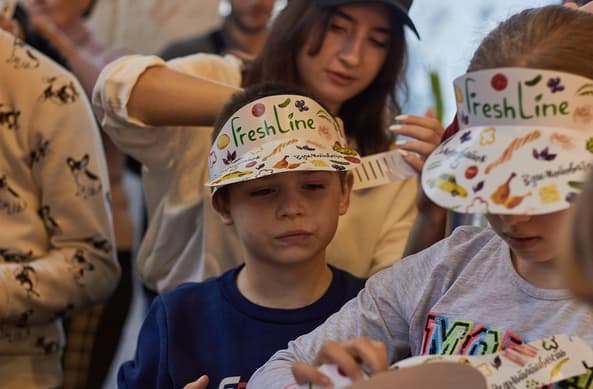
Recreational spaces aren’t just supplementary—they play a core role in a child’s growth.
Physical Development
Running, jumping, climbing, balancing, throwing, and catching—all these activities strengthen muscles, improve coordination, and boost cardiovascular health. Regular physical activity also helps prevent childhood obesity and supports better sleep and cognitive function.
Social and Emotional Growth
When children play together, they learn invaluable social lessons:
- sharing
- resolving conflicts
- understanding boundaries
- teamwork
- empathy
These interactions shape emotional intelligence, resilience, and self-esteem.
Cognitive and Creative Skills
Structured and unstructured play encourages children to:
- think critically
- solve puzzles
- create imaginative worlds
- follow instructions
- invent new ways to play
Especially in STEM and arts-focused facilities, children naturally absorb knowledge through exploration.
Independence and Confidence
Trying new activities—climbing a wall, learning a new sport, or joining a group play session—builds confidence. Children learn what they’re capable of and develop a healthy sense of independence.
How Parents Can Maximize the Benefits of Recreational Facilities
Parents can turn recreational visits into powerful bonding and learning experiences.
Plan Play With Variety
Mix indoor and outdoor experiences so children get a blend of movement, creativity, nature, and exploration.
Prioritize Safety and Supervision
Choosing facilities with modern equipment, soft flooring, and attentive staff ensures children can explore freely without unnecessary risks.
Engage With Children During Activities
Participating—not just observing—creates stronger memories. Families that play together strengthen communication and trust.
Use Technology to Plan Outings Smartly
Even planning tools designed for adults, like the fun random date generator at OneDateIdea.com, can spark ideas for weekend family outings and unique activities. Parents often find unexpected inspiration for playful adventures that children also enjoy.
Conclusion
Recreational facilities for children are more than places to burn off energy—they are essential environments where kids learn, grow, and gain the confidence they need to navigate the world. From indoor creativity hubs to outdoor adventure parks, these spaces shape physical health, mental well-being, social skills, and personal development. As parents and communities continue to invest in enriching play spaces and thoughtful outings, they help build a stronger, healthier, and more joyful childhood experience for every child.
Whether it’s exploring a science museum, climbing at an adventure park, or simply spending an afternoon on a playground, recreational facilities play a pivotal role in nurturing well-rounded, happy children. And with a bit of creativity—sometimes inspired by tools like OneDateIdea.com—planning meaningful, fun, and developmentally rich experiences has never been easier.